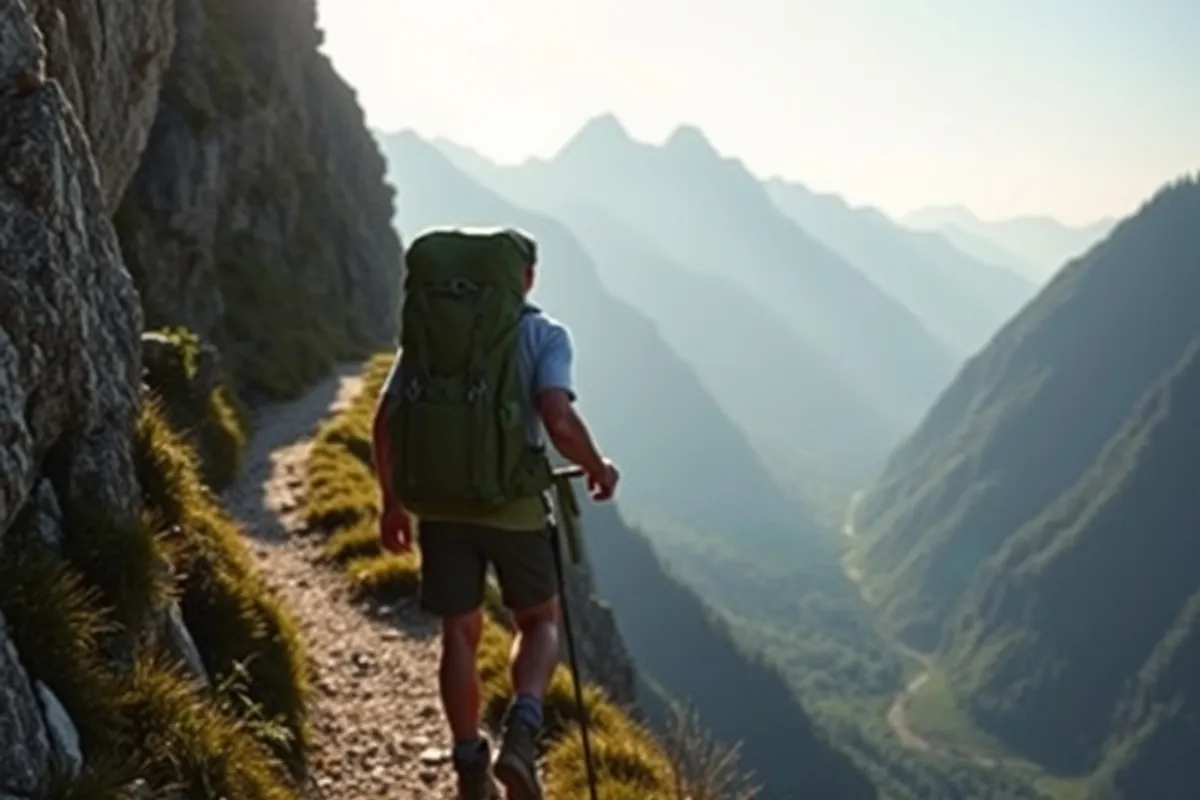
Alpine Hut Hiking Guide 2026: Routes, Beds and Packing
Hut-to-hut hiking is the cheapest way into the high mountains and the easiest way to overpack. A little planning keeps the days long and the bag light.
Hut-to-hut hiking is one of the few travel experiences where the logistics are as memorable as the view. You walk between staffed mountain huts, sleep in a shared dormitory, eat a hot dinner at a long table and wake up above the cloud line. It is also cheaper than most people expect, provided you understand how bookings, half-board and weather actually work.
This guide covers a first multi-day alpine route in 2026: how to choose stages, what a night costs, what to reserve in advance and how to pack a bag you will carry for five days.
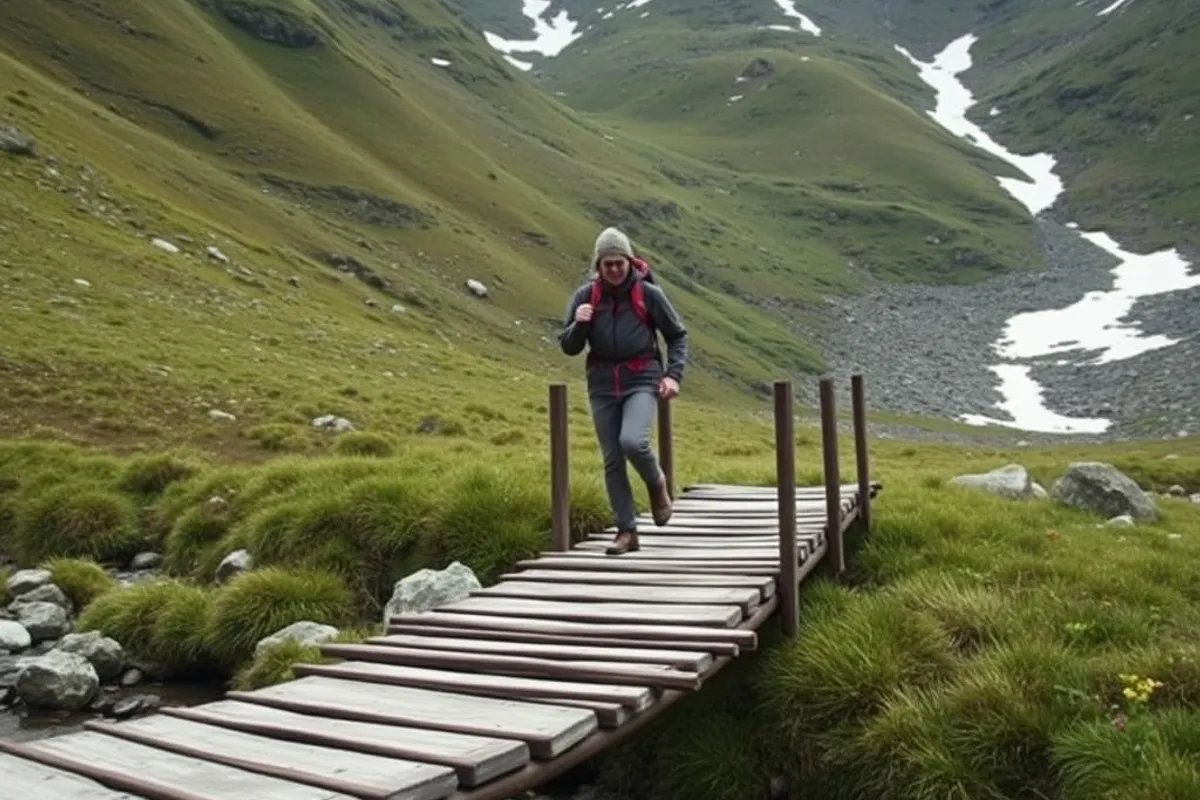
How hut bookings work
Staffed huts in the Alps are part guesthouse, part mountain refuge. You book a bed, not a room. Most have dormitories of six to twenty bunks, shared bathrooms and a dining room where dinner is served at a fixed hour. Half-board usually means dinner, breakfast and a packed lunch, and it is almost always better value than ordering separately.
Popular huts sell out months ahead for July and August, especially on classic routes. Book directly with the hut or through the national alpine club that maintains it. Membership in a club such as the Austrian, German, Italian or Swiss alpine association can cut the overnight rate significantly, often enough to pay for itself in a single season.
What a night costs in 2026
Expect 45 to 75 euros per person for half-board in a staffed hut, with club members paying less. A private room, where one exists, adds 20 to 40 euros. Drinks, showers and sometimes a visitor tax are extra. Card payment is increasingly common but cash still works when the signal fails, so carry enough for two nights.
- Dorm bed with half-board: 45 to 75 euros per person
- Alpine club member discount: often 10 to 25 euros per night
- Private room supplement: 20 to 40 euros
- Shower or towel: 3 to 8 euros
- Emergency cash: enough for two nights plus transport
Choosing a route that fits
A good first route has three to five hut nights, stages of four to six hours and a bail-out option at least every second day. Avoid a route that starts with a 1,400-metre climb on day one. Altitude, heat and a heavy pack make the first day feel harder than the numbers suggest. Start lower, sleep well, then build.
Read the stage descriptions for exposure, scrambling and via ferrata sections. A route graded moderate in a guidebook can still include a short cable-protected passage that frightens a beginner. If you are unsure, choose a valley-to-valley route with no technical ground and use the huts as overnight stops rather than summits.
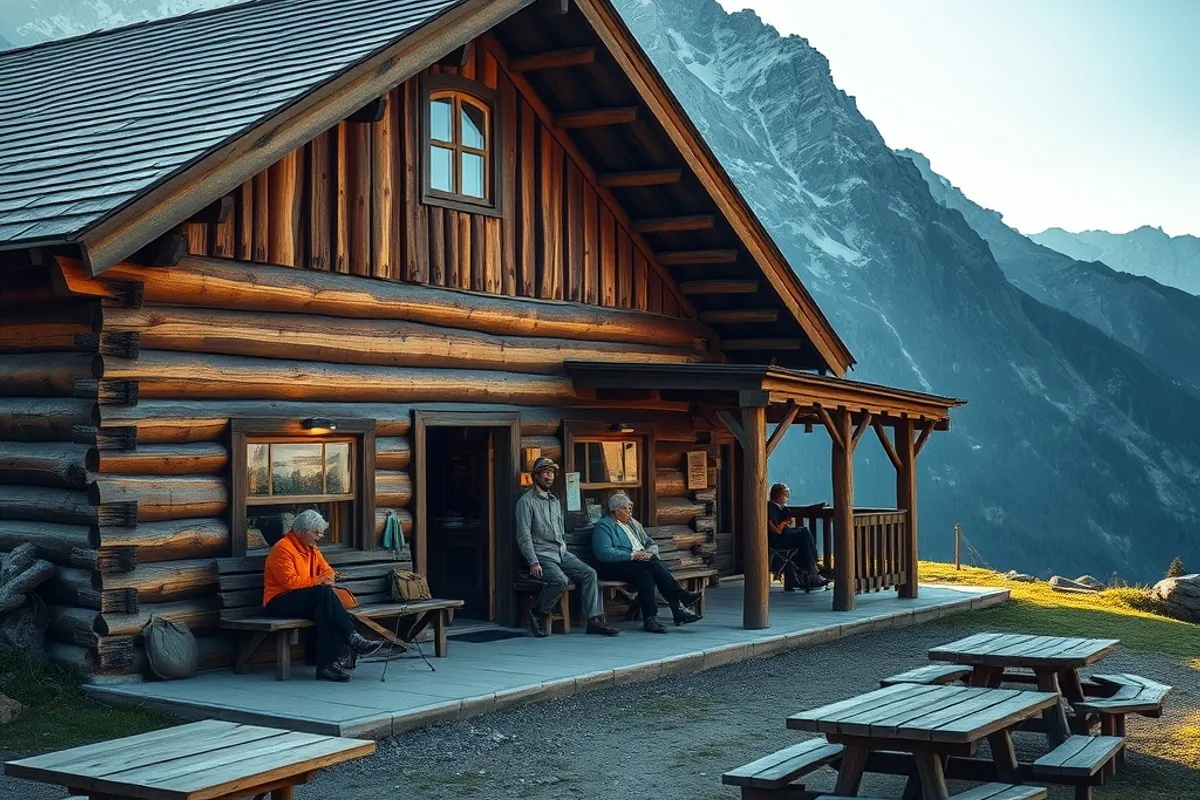
Weather and timing
The alpine season runs from late June to late September in most regions. Snow can linger on high passes into July, and afternoon storms are common in August. Start early, aim to be at the hut by mid-afternoon and treat a forecast of thunderstorms as a reason to change the plan, not to push on.
Huts do not close for bad weather, but they can be full of wet hikers and the passes can become unsafe. Ask the hut warden about conditions before you leave in the morning. They know more about the next stage than any app. If a storm arrives, stay put; a lost day is cheaper than a rescue.
What to pack for a hut route
You need less than a camping trip and more than a day hike. A 35 to 45 litre pack, a sleeping bag liner, a light towel, one change of clothes, a warm mid-layer, a waterproof shell and proper boots cover the basics. Huts provide blankets, but a liner is required and doubles as a pillow cover.
Bring a headlamp, a water bottle, a small first-aid kit, sun protection and cash. Leave the drone, the heavy camera kit and the second pair of boots at home. Every kilogram is paid for on the climbs. For photography on the move, our guide to travel photography gear explains what is worth carrying.
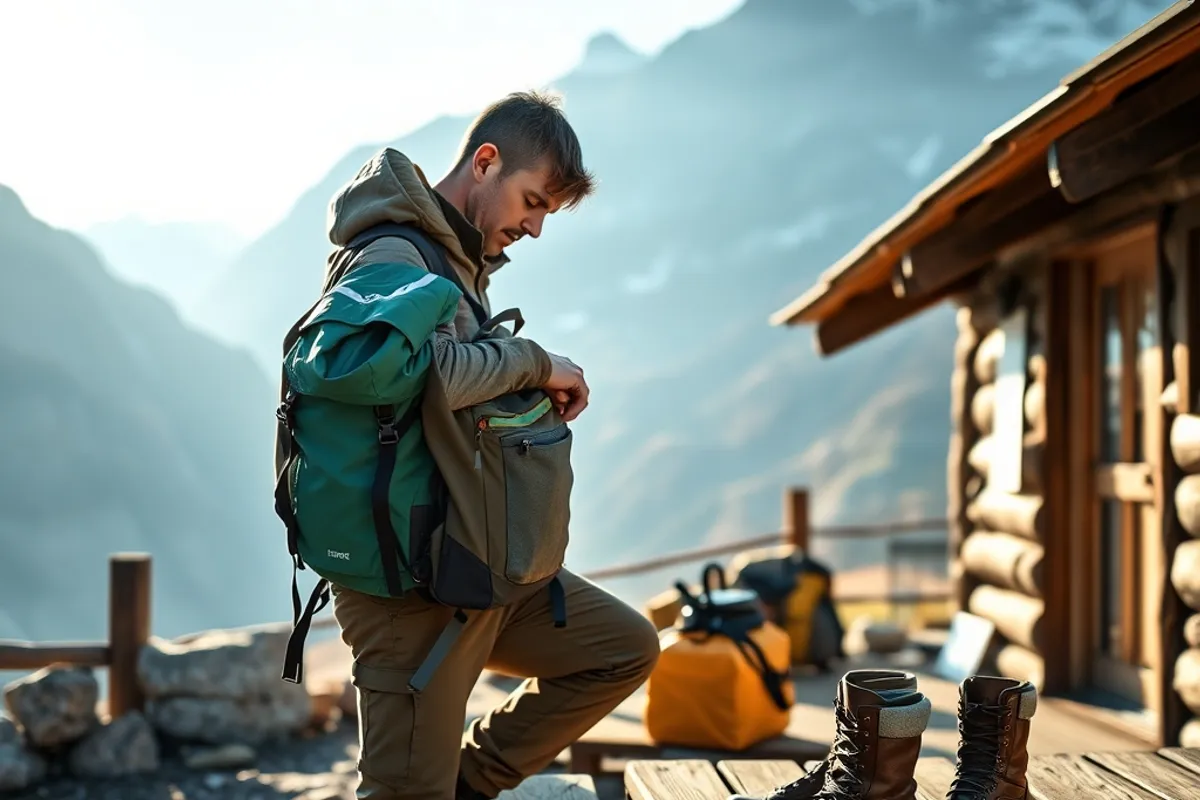
Food, water and hut etiquette
Huts are homes for the wardens and shelters for everyone else. Take your boots off at the entrance, keep quiet in the dormitory after dark and do not spread wet gear across every bench. Dinner is usually served at 6 or 7pm, and arriving late is not a personality quirk; it is a problem for the kitchen.
Tap water in the mountains is not always treated, and buying bottled water at a hut is expensive and heavy to carry in. A filter bottle or purification tablets are a sensible backup. If you have dietary needs, mention them when you book; a vegetarian meal is usually possible, a complex allergy is harder at 2,000 metres.
Budget and booking timeline
For a five-night route, budget 250 to 400 euros for huts and food, plus travel to the trailhead and any cable car. Add insurance that covers mountain rescue and cancellation. Book the first and last hut in advance, and the middle nights if you are traveling in peak season. Keep a printed list of hut phone numbers; signal is not guaranteed.
If you prefer a base with a real bed and a kitchen, compare a mountain lodge or cabin using our lodge versus cabin guide. Hut hiking is not for everyone, but it is the most direct way to spend a week in the high mountains without a car or a heavy tent.
Key facts
- Book popular huts 3 to 6 months ahead for July and August.
- Half-board is the best value; carry cash for extras.
- Keep stages to 4 to 6 hours and start early.
- Pack a liner, headlamp, shell and one change of clothes.
- Ask the warden about conditions before every stage.
Walk early, pack light, listen to the warden.