Travel Photography Gear for 2026: What Earns Its Space
The best travel camera is the one you carry every day. Everything else is a trade against weight, money and attention.
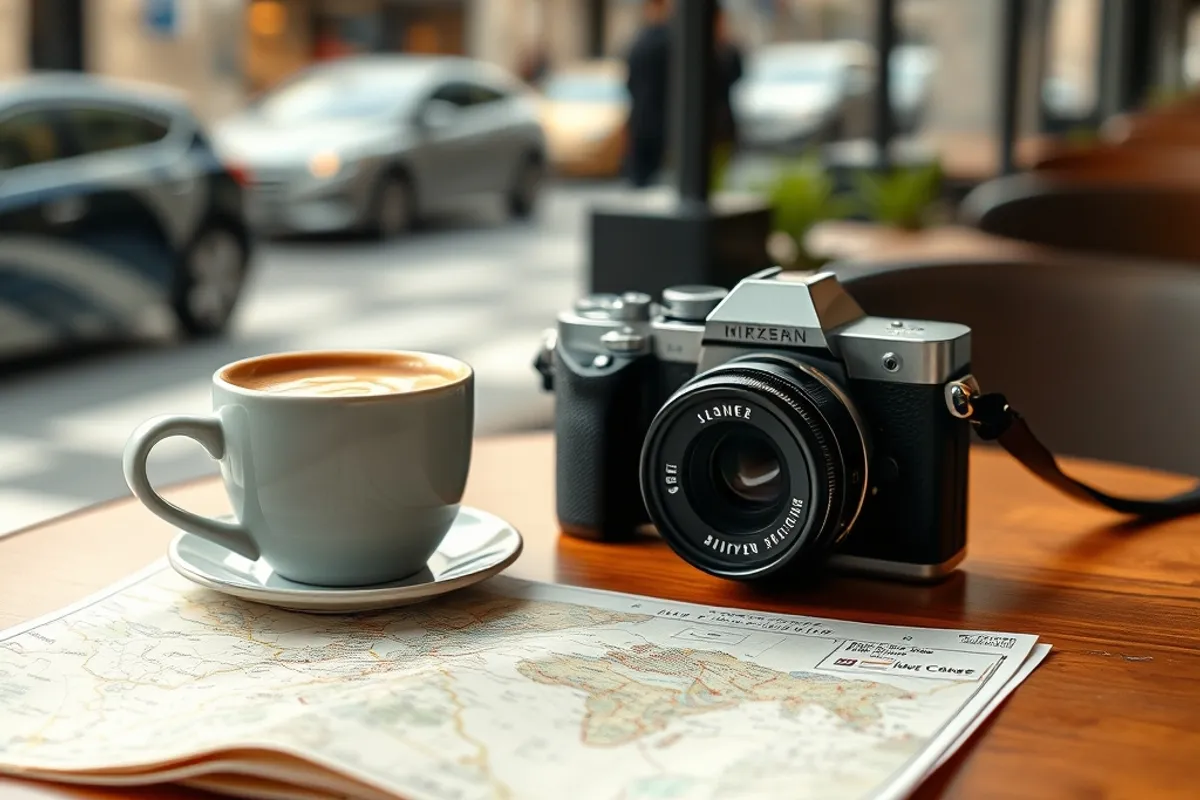
Travel photography gear is a packing problem disguised as a shopping problem. Every item you carry has to be justified by the photographs you actually take, not the ones you imagine taking. The most common mistake is not a cheap lens; it is a bag so heavy that the camera stays in the room.
This guide covers a sensible kit for 2026, what to leave at home and how to spend money where it changes your photos.
Start with the photographs you want
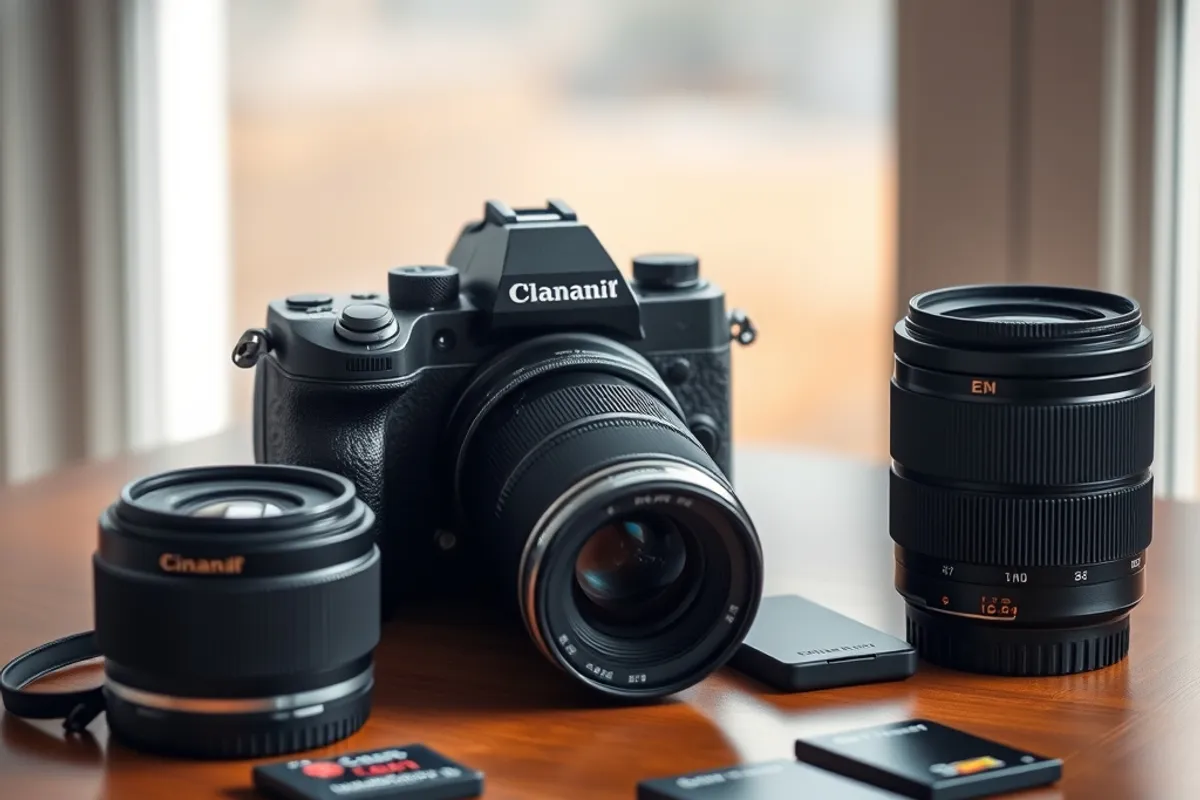
Before buying anything, list the five images you hope to bring home. A street portrait, a wide landscape, a detail of food, a family snapshot, a night city scene. That list tells you which lens matters. If most of your images are people and details, a fast 35mm or 50mm equivalent will do more than a heavy zoom. If you shoot landscapes, a wider lens and a light tripod earn their place.
Phone cameras are genuinely good in 2026, especially in daylight and for wide scenes. A dedicated camera still wins for low light, shallow depth of field, long lenses and handling. Be honest about which of those you need.
Cameras worth considering
For most travelers, a compact mirrorless body with an APS-C or full-frame sensor is the sweet spot. A used previous-generation body is often the best value; image quality changes slowly, while autofocus and video improve every year. If you want one camera for everything, prioritize good autofocus, decent battery life and a lens mount with affordable primes.
Fixed-lens compacts are excellent for city trips and street photography. A large-sensor compact with a 28 or 35mm equivalent lens can replace a body and two lenses, which matters when you are walking ten kilometres a day. The limitation is flexibility, but the constraint often improves your pictures.
- Compact mirrorless body: the most flexible choice
- Fixed-lens compact: lightest serious option
- Previous-generation used body: best value
- Phone: fine for daylight and backup
- Second body: only for professional work
Lenses: two is usually enough
A wide-to-normal zoom covers most travel scenes, and a fast prime covers low light and portraits. That pair handles almost everything. A telephoto zoom is worth carrying only if you shoot wildlife, sports or compressed landscapes. It is the heaviest item in most bags and the least used on a city trip.
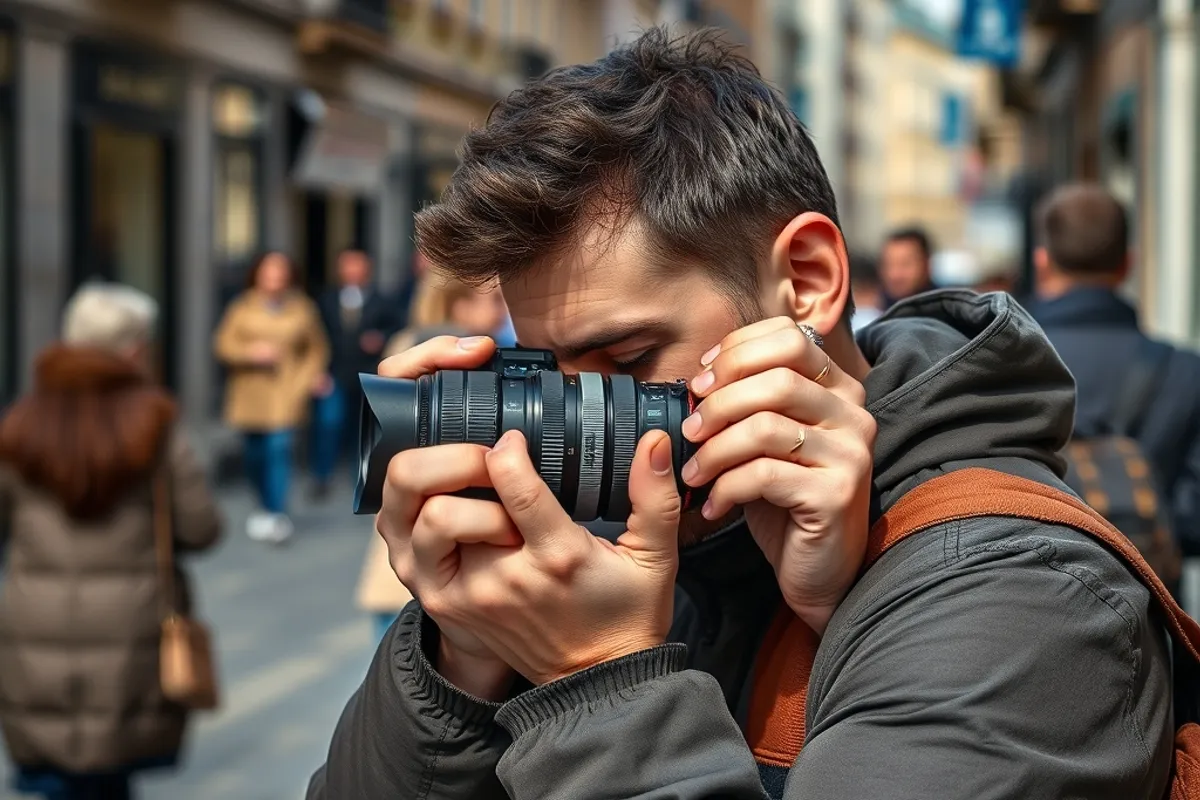
Consider the difference between 24mm and 28mm at the wide end, and whether you need f/2.8 or f/4. A slower lens is lighter and cheaper; for daylight travel, that is often the right trade. A fast 35mm or 50mm prime is small, sharp and discreet, which matters in markets and streets.
Power, storage and backup
Bring a charger for every device, a power bank and a universal adapter. A second battery is cheaper than missing a sunset. Memory cards are small; carry two and rotate them so one failure does not lose the trip. Download photos to a laptop or tablet when you can, and keep a second copy in the cloud or on a portable drive.
Check airline rules for lithium batteries. Spare batteries go in hand luggage, not checked bags. If you are traveling to remote areas, a solar charger sounds useful but is slow; a large power bank is more practical.
Support and stability
A tripod is essential for blue hour, night photography and self-portraits. A full-size tripod is stable but heavy; a compact travel tripod is a compromise. If you rarely shoot in low light, a small tabletop tripod and a beanbag can be enough. A remote shutter or a two-second timer reduces shake.
For video, a small gimbal can help, but it adds weight and setup time. Most travelers do better with a phone gimbal or in-body stabilization. Decide whether you are making video or taking photos; trying to do both well usually means carrying too much.
What to leave at home
Leave the second body unless you are paid to shoot. Leave the 70-200mm if you are not shooting wildlife. Leave the drone if local rules are unclear; many cities and parks ban them. Leave the full filter set; one polarizer and one neutral density filter cover most needs. Leave the laptop if a tablet can back up your cards.
Also leave the fear of missing a shot. A camera that stays in the bag because it is too heavy is worse than a phone in your pocket. The goal is to come home with a few good images and a trip you enjoyed.
A practical kit list
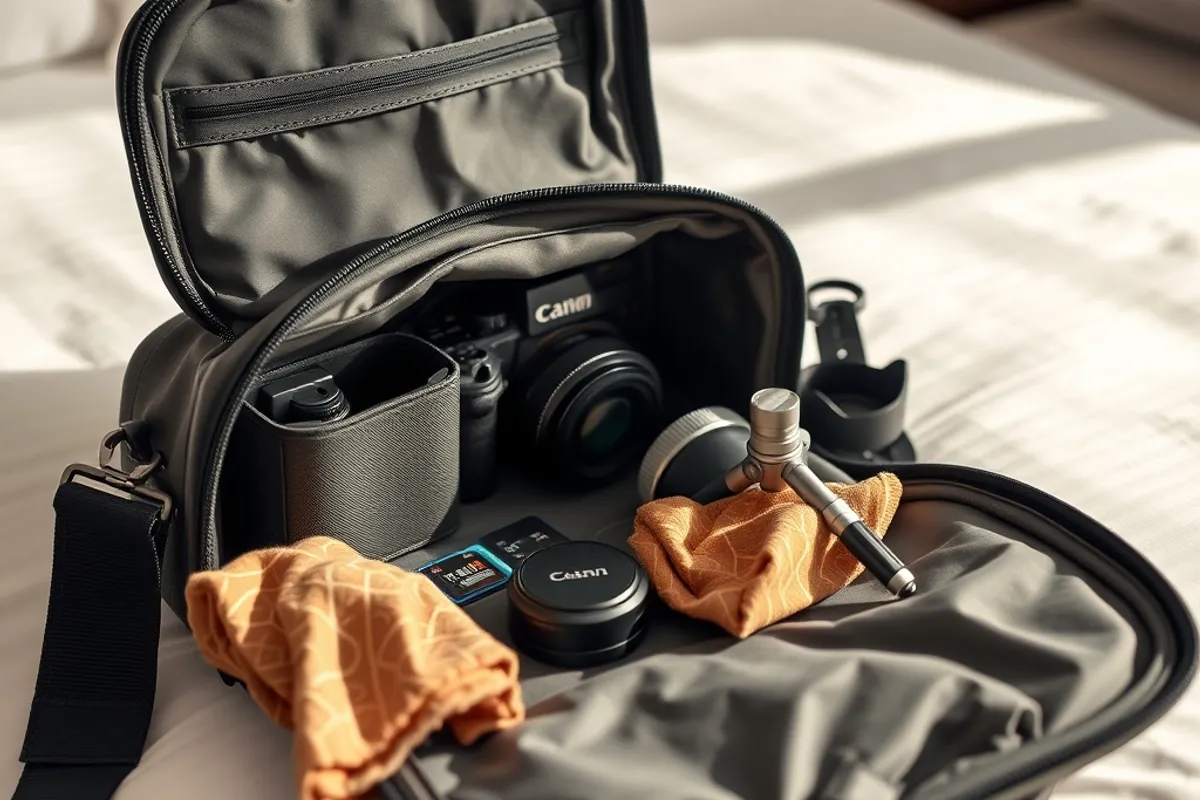
For a two-week trip: one mirrorless body, a 24-70mm equivalent zoom, a 35mm or 50mm fast prime, two batteries, two memory cards, a compact tripod, a polarizer, a charger, a power bank and a small bag. That kit fits in a daypack and covers most situations. For a city break, swap the zoom for a compact and keep the prime at home.
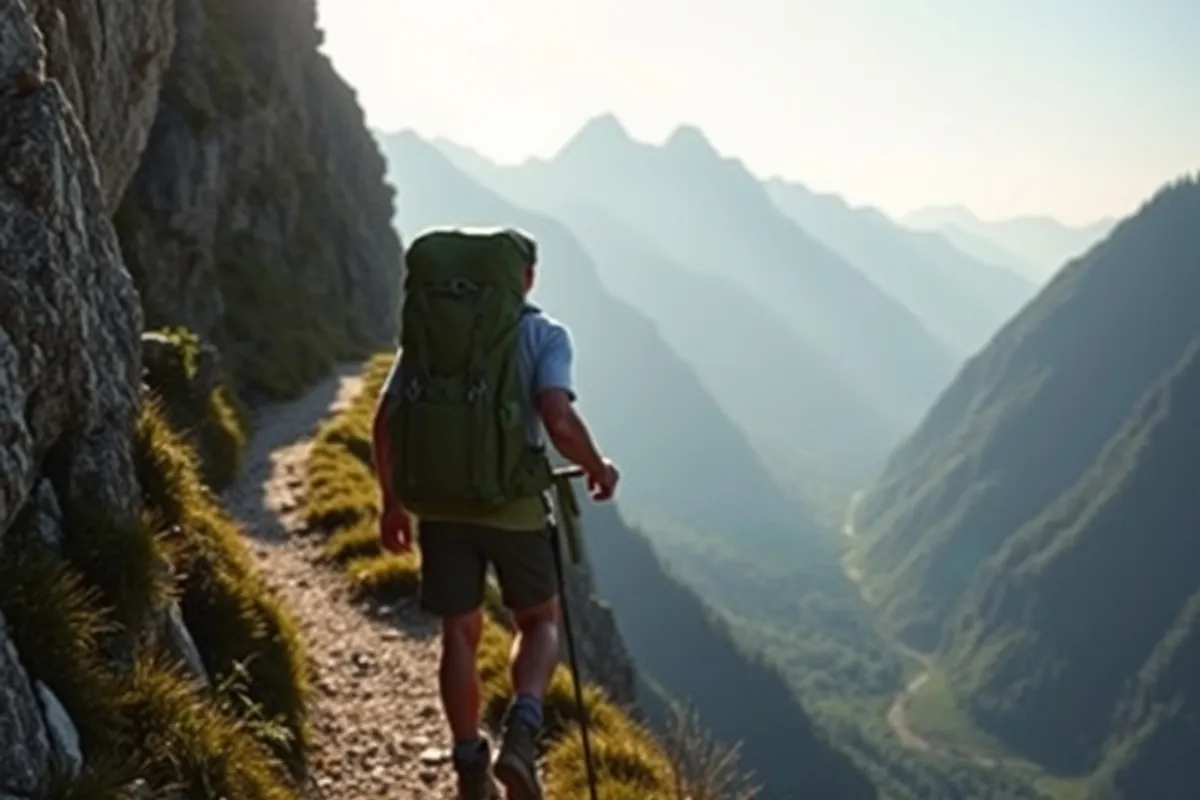
For technique, read our guide to photographing cities at blue hour. For mountain trips, our alpine hut hiking guide explains how to keep the kit light on a multi-day walk.
Key facts
- Choose gear from the photos you actually take.
- One body and two lenses cover most trips.
- Carry spare batteries and rotate two memory cards.
- A compact tripod is worth it for low light.
- Leave the drone, second body and extra filters at home.
Pack light, shoot more, carry less.