
Best Boutique Hotels in Europe: A 2026 Booking Guide
Boutique is a size, not a standard. The best small hotels get the boring details right and the design second.
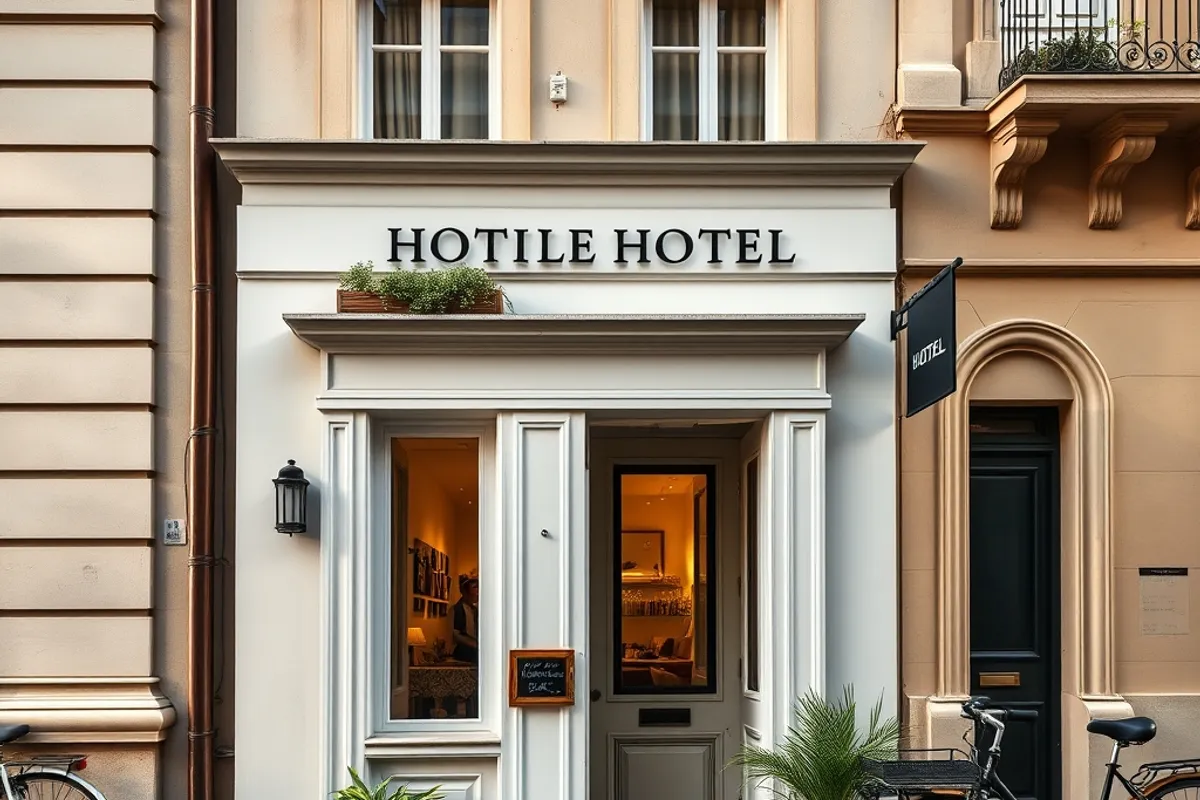
Boutique hotels promise character, but the word is overused. The best ones earn it with a clear personality, attentive staff and a location that puts a neighborhood within walking distance. The worst hide a shoebox room behind vintage wallpaper and charge for the privilege. The difference comes down to details you can check before you pay.
This guide shows how to spot a genuinely good boutique stay in Europe in 2026, what to pay and which questions to ask.
What makes a boutique hotel worth it
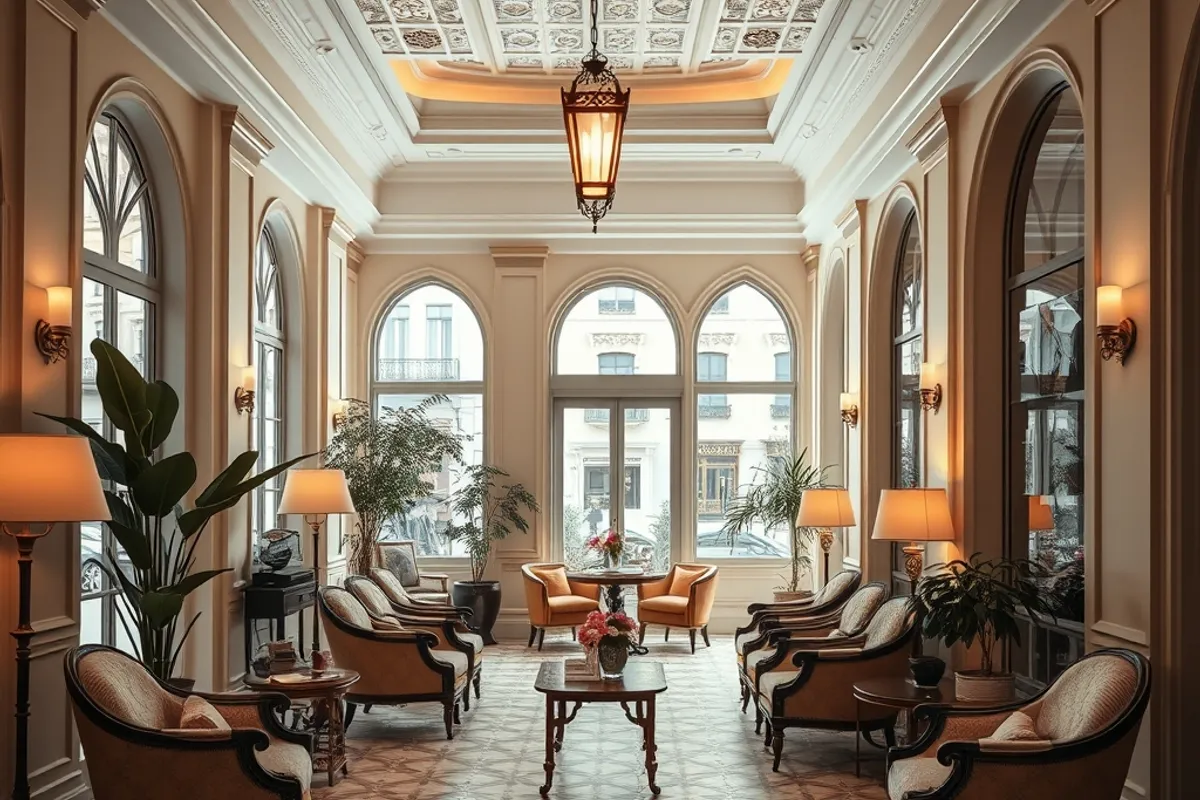
A true boutique hotel is usually small, often between ten and forty rooms, with a consistent design and staff who remember names after one day. Location matters more than square metres. A smaller room on a lively, well-lit street beats a larger room on a noisy ring road. Look for a hotel that feels like a recommendation from a local, not a copy of a global brand.
The service is the product. A good front desk will book a hard-to-get restaurant, suggest a backstreet bar and point you to a bakery that opens at six. That advice is worth something, especially on a short stay.
Real price bands in 2026
Prices vary wildly by city and season. In Lisbon or Krakow, a solid boutique double runs 130 to 200 euros. In Barcelona, Porto or Florence, expect 160 to 275 euros. In Paris, London or Amsterdam, 250 to 400 euros is common for something genuinely good, and more in peak season.
- Mid-tier European boutique: 130 to 200 euros per night
- Strong boutique in a major city: 200 to 275 euros
- Top boutique in peak season: 275 to 400 euros plus
- Breakfast included: saves 15 to 30 euros per person
- City tax: 2 to 7 euros per person per night
How to read listings honestly
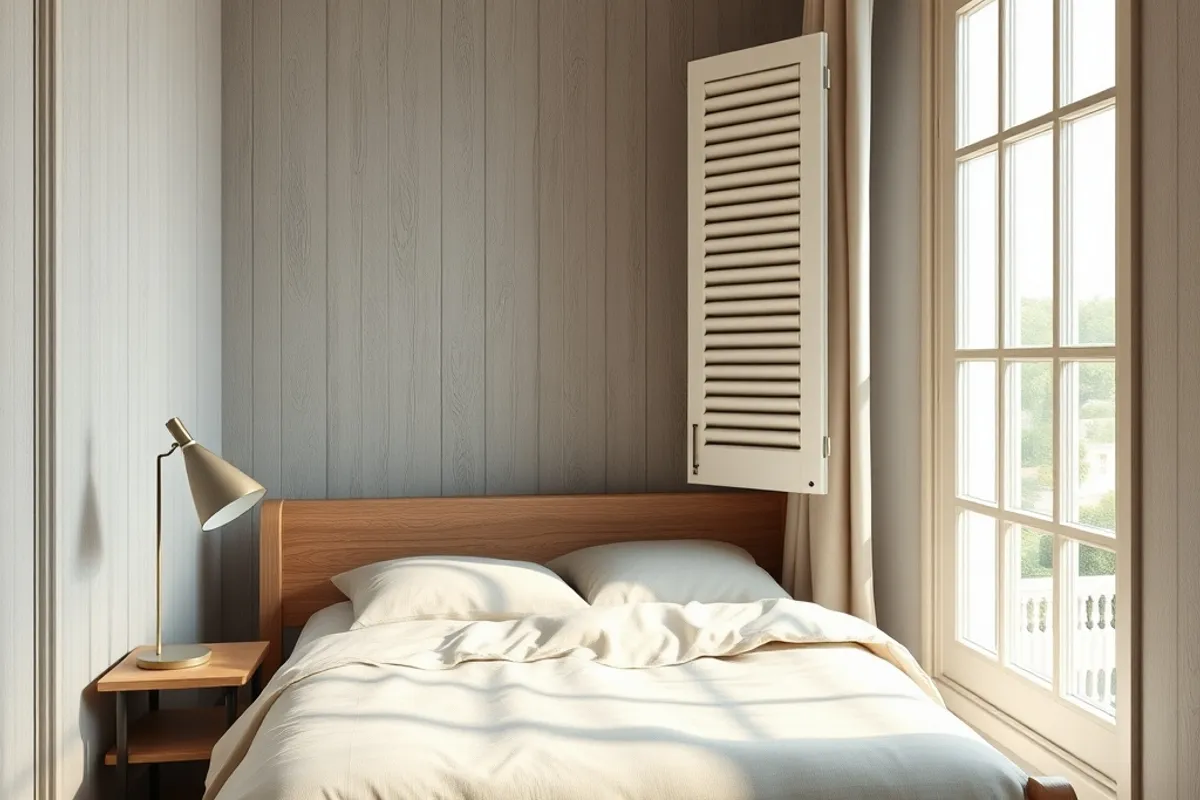
Ignore the superlatives and read the room description. Look for the actual bed size, the square metres and whether the bathroom is ensuite. Check the photos of the room you might book, not just the best suite. A hotel that only shows the lobby is hiding something. Look at the map for noise: streets with bars, metro lines and markets can be lively until three in the morning.
Read recent reviews from the last twelve months. Focus on comments about sleep, noise, air conditioning and water pressure. A single complaint about breakfast is normal; three complaints about street noise mean pack earplugs. See the answers from the hotel to negative reviews; polite and specific is a good sign.
Booking tips that save money
Book direct first. Many independent hotels offer a free breakfast, a room upgrade or flexible cancellation if you email or book through their own site. Check OTAs for comparison, but ask the hotel to match. Travel in shoulder season: April to June and September to October are cheaper, quieter and often have better weather in most of Europe.
Be flexible by a day. A Tuesday stay can be half the price of a Saturday in the same room. If your dates are fixed, look at nearby neighborhoods rather than the tourist core. A ten-minute walk saves money and often gives a better meal for less.
Questions to ask before you book
Ask for the room number category if possible, not just the type. Ask whether it faces the street or the courtyard. Ask about air conditioning if you are going in summer; some historic buildings only have fans. Ask about luggage storage if you arrive early or leave late. Ask whether breakfast is a buffet or à la carte and what time it starts.
If you care about a quiet night, ask for "a room away from the elevator, street and bar". Hotels get hundreds of vague requests; specific ones are easier to honor.

Red flags to avoid
Watch for a hotel that charges for check-in before a certain time, forces you to book a non-refundable rate with no photos of your exact room type, or has dozens of identical five-star reviews posted in one week. Watch for vague descriptions like "unique room" with no dimensions. And watch for a location that requires a taxi for every meal.
For choosing the right room inside the hotel, read our city hotel room guide. A boutique stay works best when you use it as a base, not a resort. Spend time exploring the neighborhood the hotel recommends; that is usually where the value is.
Key facts
- Small size and a local neighborhood beat generic luxury.
- Book direct and ask for a specific, quieter room.
- Read reviews from the last 12 months, focus on sleep and noise.
- Shoulder season is the sweet spot for price and crowds.
- Ask for concrete details: bed size, sqm, courtyard vs street.
Character costs less when you book well.