
How to Pick a City Hotel Room: Floor, View and Noise
Two rooms in the same hotel can feel like different buildings. The difference is usually the floor, the side and one email before you arrive.
Two guests can stay in the same hotel on the same night and have completely different holidays. The difference is the room. A room facing an inner courtyard lets you sleep. A room above the bar means earplugs from midnight to three. Learning to choose and request the right room is the easiest hotel upgrade you will ever make.
This practical guide covers floor, noise, light, air and the exact request to make before arrival.
Floor, side and view claims
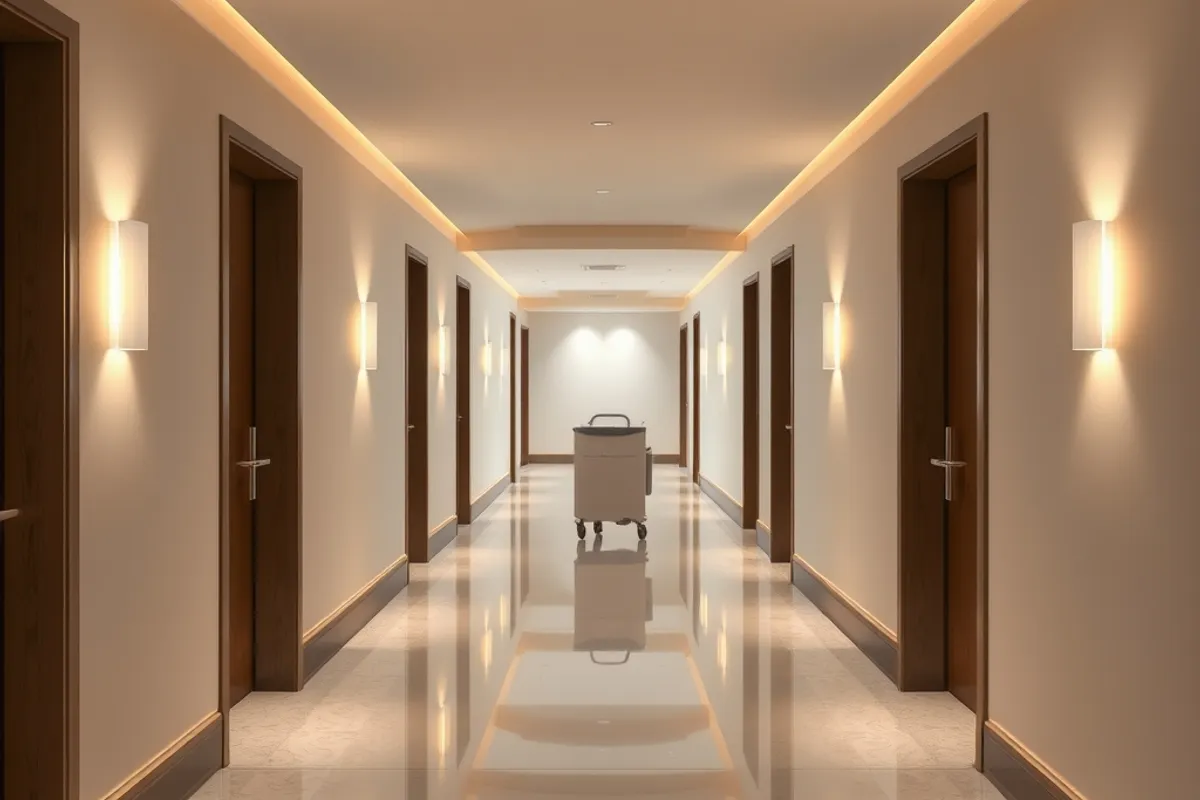
Higher floors are usually quieter from street noise, but not always. In some cities, lower floors face a quiet courtyard while upper floors face a noisy terrace. Avoid rooms directly above the reception, above the restaurant or next to the lift shaft. Ask for a room on a higher floor but away from service areas.
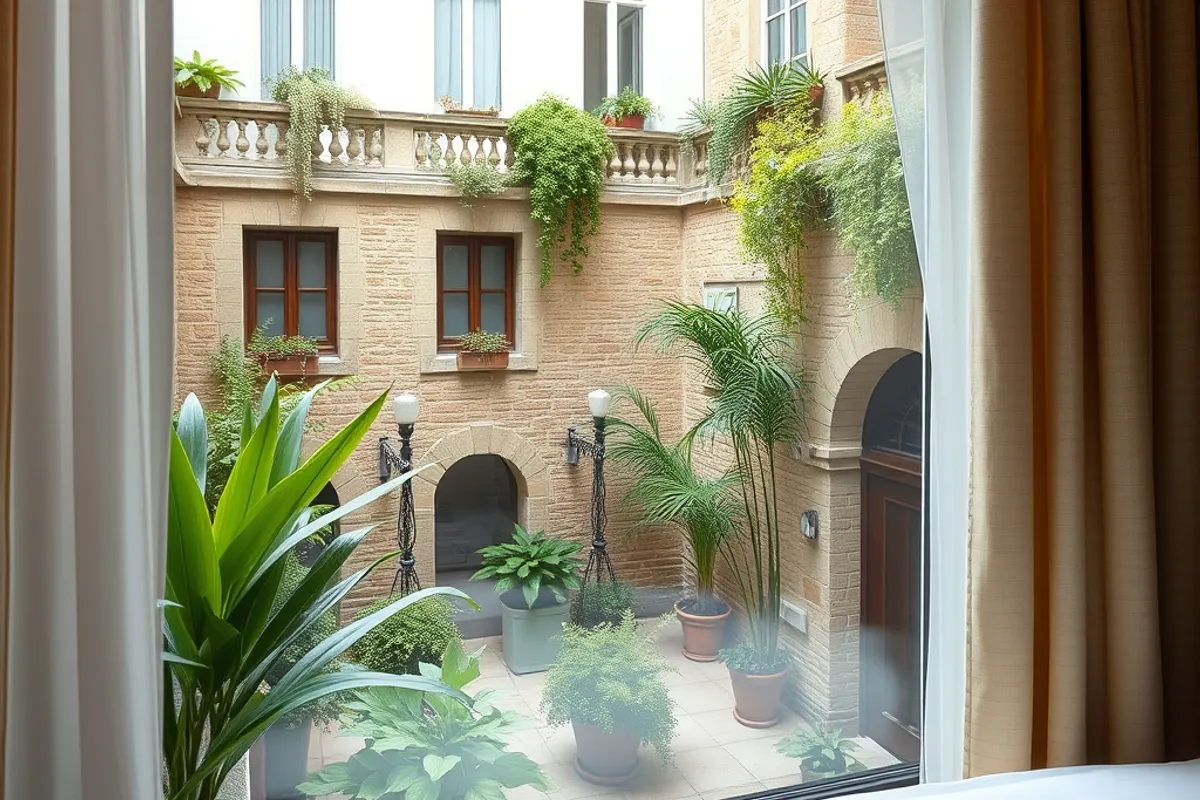
Ignore vague "city view". A view over a parking lot or a fire escape is not a view. A courtyard, a square or a canal might be. If it matters, ask for a photo of that specific room category or describe what you hope to see.
Noise: the thing you notice at 2am
Street noise is the most common complaint. Bars, garbage collection, buses and church bells all start at different hours. Ask about late-night noise for the street facing your room. Double-glazing helps, but a thin window above a nightclub helps little. Earplugs are cheap insurance regardless.
Internal noise matters too. A room next to ice machines, stairwells or connecting doors can be surprisingly loud. If the hotel has connecting rooms, avoid one unless you booked both.
Light, air and temperature
Blackout curtains are worth checking for, especially if you are crossing time zones or the room faces east. Historic hotels often have single glazing and no effective blackout. Ask if the room has proper curtains, not just sheer ones.
Air conditioning is non-negotiable in many southern cities in July and August. Some buildings are listed and cannot add AC, relying on fans. If you sleep hot, confirm working AC and ask how to control it. Opening a street-facing window is not always an option at 2am.
- Quiet side: ask for courtyard, garden or rear
- Sleep-friendly: high floor, away from lift and bar
- Light: ask about blackout if east-facing
- Heat: confirm AC for summer city stays
- Pragmatic: request a non-smoking room and a working shower
Bed, bathroom and space
Check the bed size by region. A "queen" in Europe can be smaller than a US queen. If you are two tall people, ask for exact dimensions in centimetres. Ask for a king if it exists, or two twins pushed together only if you do not mind a gap.
Look at the bathroom: is it a wet room, a separate shower or a bath you will never use? Is there shelf space for toiletries? Is the water pressure mentioned in reviews? These are boring until you experience the opposite.
How to make the request
Message the hotel directly after booking, not at check-in when they are busy. Keep it short: dates, booking reference, room category and three preferences in order of importance. For example: "Could you assign us a quiet room facing the courtyard, away from the lift, on a higher floor if possible?"
Be polite and realistic. You are asking for an allocation, not demanding an upgrade. If the hotel says it cannot guarantee but will try, thank them and pack earplugs just in case.
Room categories decoded
Hotels use confusing names. "Superior" can mean a different floor, "Deluxe" can mean a larger bathroom, "Classic" can mean the smallest room. The only numbers that matter are square metres and bed size. If a category has no numbers, ask for them or pick a category that does.
For longer stays, ask about storage and a place to work if you need one. For families, ask about cribs, extra beds and whether two adults plus a child fit without paying for a second room.
Check-in and the final check
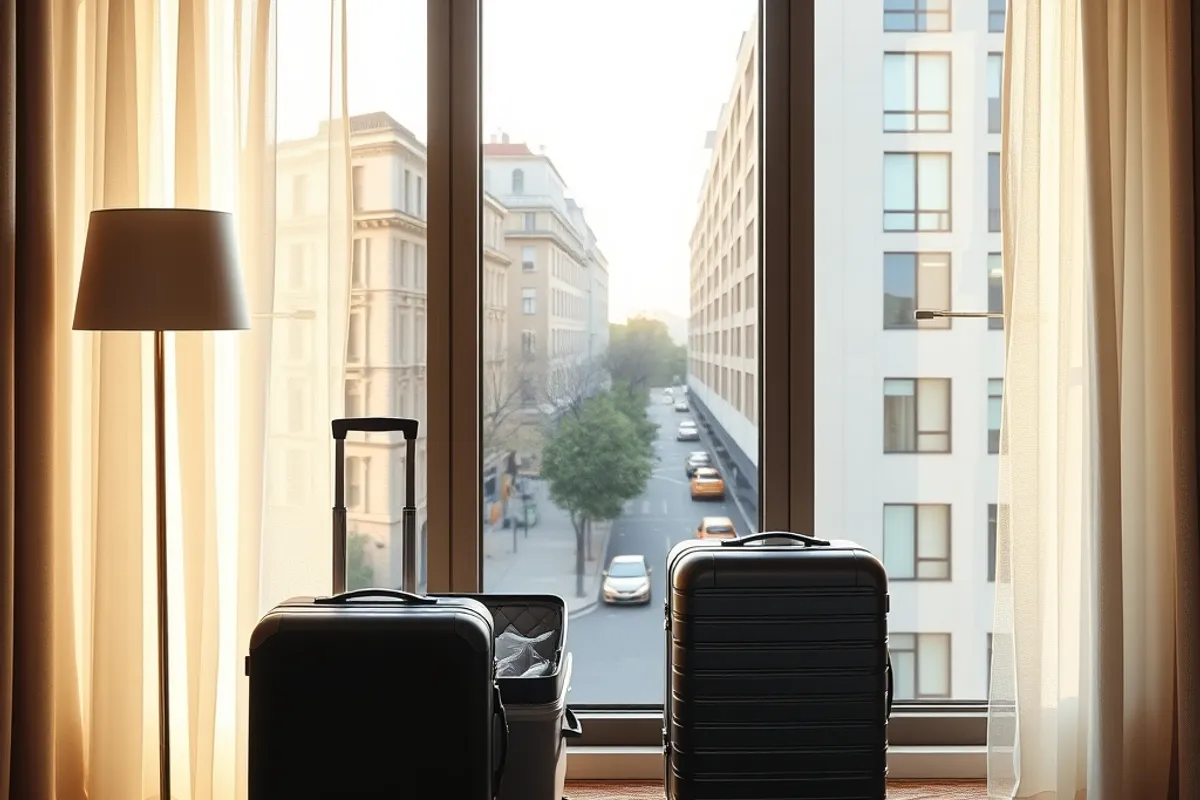
On arrival, check the room quickly before unpacking. Test the shower, flush the toilet, check the AC and look out the window. If the noise is worse than expected or the room is not what you requested, say so at reception immediately. A polite request at check-in often works better than a complaint at checkout.
For choosing which neighborhood and hotel to begin with, read our boutique hotel guide. A five-minute email before you arrive will do more for your sleep than any loyalty status.
Key facts
- Message the hotel after booking with a specific request.
- Avoid rooms above bars, next to lifts or above restaurants.
- Court yard is usually quieter than street facing.
- Confirm bed size in cm and AC for summer stays.
- Check the room at arrival and speak up straight away.
Sleep is the cheapest luxury to secure.